Book Summary
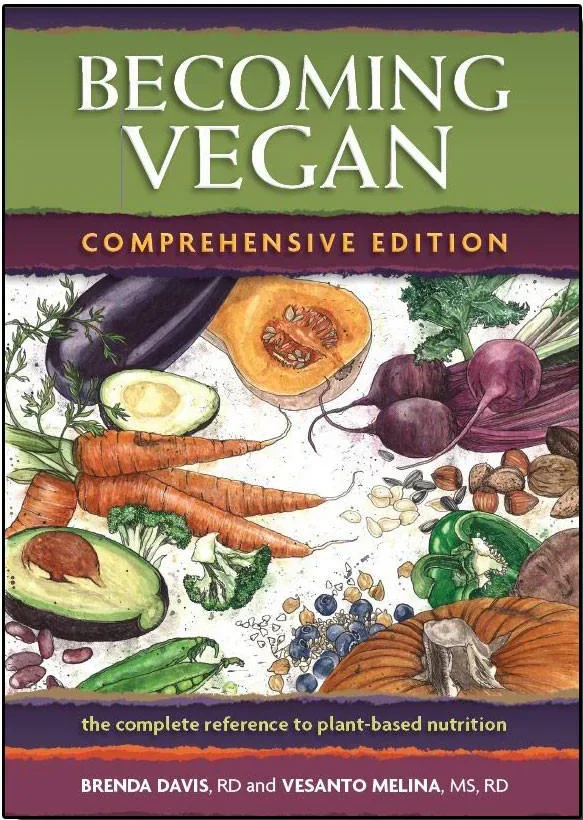
Becoming Vegan is a foundational guide to vegan nutrition and lifestyle, written by two internationally recognized registered dietitians — Vesanto Melina and Brenda Davis. Instead of simply promoting a plant-based diet, the book combines ethical motivations, environmental context, scientific nutrition, and practical guidance to help people adopt and maintain a healthy, balanced vegan way of eating. It’s considered a classic resource for both lay readers and professionals seeking a reliable evidence-based overview of plant-based nutrition.
1. Foundations of Veganism: Ethics and Environment
Becoming Vegan begins by framing veganism not just as a diet but as a lifestyle based on compassion and sustainability. The authors discuss:
Ethical Motivation
Veganism is rooted in avoiding harm to animals. This includes refraining from consuming meat, dairy, eggs, and all products derived from exploited animals. The ethical component often arises from recognizing animals as sentient beings capable of suffering.
The authors emphasize the moral implications of modern animal agriculture, including confinement, breeding practices, and slaughter, as part of the decision to adopt a vegan lifestyle.
Environmental Rationale
The book highlights the environmental impact of animal agriculture, including greenhouse gas emissions, land use, and resource depletion.
By shifting toward plant foods, individuals contribute to reduced ecological footprint, improved sustainability, and protection of natural ecosystems.
This environmental context reinforces the ethical impetus with a global perspective: plant-based eating supports planetary health as well as individual health.
The opening discussion situates veganism within a broader ethical and environmental narrative, making the case that individual dietary choices have far-reaching impacts beyond personal health.
2. Core Health Benefits of a Vegan Diet
One of the strongest themes in the book is the health advantages associated with well-planned plant-based diets. Melina and Davis present data showing that vegan diets can:
Reduce risks of chronic diseases such as cardiovascular disease, type 2 diabetes, certain cancers, and hypertension.
Support healthy weight management and improvements in metabolic markers.
Provide ample antioxidants, fiber, and phytonutrients that protect cellular and systemic health.
Evidence for Disease Prevention
The authors synthesize research demonstrating that diets centered on whole plant foods — fruits, vegetables, legumes, whole grains, nuts, and seeds — are linked with lower levels of disease risk factors. These foods are naturally low in saturated fat, cholesterol-free, and high in dietary fiber and micronutrients that support heart and metabolic health.
Even though the text is practical, it references significant scientific studies to support these claims, particularly in the Comprehensive Edition.
3. Key Nutrition Concepts
The heart of Becoming Vegan is a thorough examination of essential nutrients and how vegans can obtain them reliably from plant foods. Both editions offer detailed guidance, but the Comprehensive Edition includes extensive charts, tables, and research references.
Protein and Amino Acids
The authors counter the common myth that vegans can’t get enough protein. They show that plant foods such as legumes, whole grains, nuts, and seeds supply adequate protein when consumed in sufficient calories.
The book emphasizes variety to ensure all essential amino acids are met, though it also dispels the need to combine specific foods at each meal.
Fats and Essential Fatty Acids
Fat plays vital roles in hormone production, nutrient absorption, cell structure, and energy.
The authors discuss omega-3 and omega-6 fatty acids, how plant sources (e.g., flax, chia, walnuts) can provide these, and when fortified foods or supplements might be needed.
Carbohydrates
Far from being harmful, carbohydrates in whole plant foods are framed as foundational for energy, fiber, and overall health.
Becoming Vegan critically examines low-carb dietary trends and advocates for unrefined complex carbohydrates.
Micronutrients
The book provides a deep dive into vitamins and minerals that require especially thoughtful planning:
Vitamin B12: Recognized as essential for nerve function and blood health. The authors strongly advise on reliable sources (fortified foods or supplements), since plant foods alone don’t reliably provide active B12.
Calcium and Vitamin D: Strategies to meet these needs through fortified foods, certain greens, and sunlight exposure.
Iron, Zinc, Iodine: Guidance on absorption, food sources, and enhancers (like vitamin C for iron uptake).
They include practical rules and examples to help readers plan diets that meet these requirements.
4. Vegan Nutrition Through the Life Cycle
One of the most praised aspects of Becoming Vegan is how it addresses nutrition at every stage of life:
Infants and Children
The book explains how to ensure adequate calories, protein, fats, and micronutrients for growth and development.
It covers breastfeeding, complementary feeding, and toddler nutrition with specific meal planning examples.
Teens and Adults
Pregnancy and Breastfeeding
Seniors and Active Lifestyles
Tips for older adults to maintain muscle mass, bone density, and overall vitality.
Guidance for athletes on meeting higher energy and protein needs.
The book’s life cycle approach is a distinguishing feature: it shows that vegan diets can support health from infancy through old age when carefully planned.
5. Practical Tools: Food Guides, Menus, and Planning
Beyond theory, Becoming Vegan equips readers with highly usable tools:
Vegan Food Guides: Visual frameworks showing food groups and recommended portions.
Sample Menus: Daily and weekly menus tailored to various calorie needs.
Shopping Lists and Meal Planning Advice: Helps make the transition from idea to everyday eating.
These tools are especially effective for new vegans and caregivers planning meals for families.
6. Addressing Misconceptions and Common Challenges
Melina and Davis actively dispel myths about vegan nutrition:
Protein Deficiency: They explain that protein adequacy is a matter of overall calorie and food variety, not specific “complete proteins.”
B12 and Supplements: Clear instruction on why supplementation matters, not speculation.
Processed Vegan Foods: Differentiating between whole-food vegan diets and highly processed vegan products, and why the former is healthier.
The authors also describe how to navigate social, culinary, and cultural challenges when adopting vegan eating.
Conclusion: A Roadmap to Healthy Vegan Living
Becoming Vegan isn’t merely a cookbook or lifestyle manifesto — it’s a science-based, holistic guide grounded in nutritional research and practical experience. It integrates ethical, environmental, and health perspectives to offer a compelling case for veganism. Whether you’re a curious beginner, an experienced vegan seeking deeper understanding, or a health professional advising others, Becoming Vegan equips you with evidence, tools, and confidence for effective, balanced plant-based living.