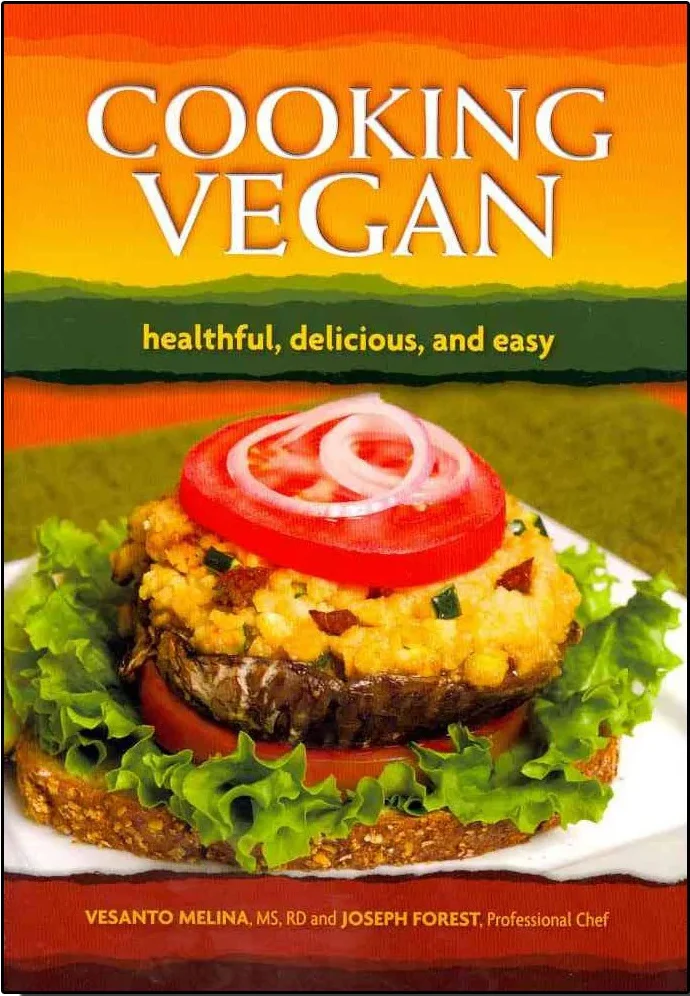
Book Summary
Cooking Vegan is a comprehensive vegan cookbook that combines sound nutritional principles with creative, approachable plant-based cuisine. Written by registered dietitian Vesanto Melina and chef Joseph Forrest, the book is designed to help readers prepare satisfying, flavorful vegan meals that support long-term health. Rather than framing vegan cooking as restrictive or complicated, the authors present it as a flexible, enjoyable way of eating that can be adapted to different tastes, cultures, and lifestyles.
Purpose and Vision of the Book
The primary aim of Cooking Vegan is to show that vegan meals can be both delicious and nutritionally balanced. The authors recognize that many people are interested in veganism for ethical, environmental, or health reasons but feel uncertain about how to cook without animal products. Concerns about protein, calcium, iron, and overall meal satisfaction are common, and the book directly addresses these by demonstrating how everyday plant-based ingredients can meet nutritional needs.
The collaboration between a dietitian and a professional chef shapes the book’s tone and content. Melina ensures nutritional adequacy and evidence-based guidance, while Forrest contributes culinary creativity and practical cooking techniques. Together, they emphasize that good vegan food should be enjoyable first and health-supportive at the same time.
Nutritional Philosophy
At the heart of Cooking Vegan is a whole-food, plant-based nutritional philosophy. The authors encourage meals centered on vegetables, fruits, whole grains, legumes, nuts, and seeds, with limited reliance on heavily processed foods. Healthy fats are included in moderation, and refined sugars and oils are used sparingly.
Protein is addressed not as a concern but as a natural outcome of balanced eating. Beans, lentils, tofu, tempeh, nuts, seeds, and whole grains appear throughout the recipes, showing how protein can be distributed across meals without effort or obsession. Iron-rich plant foods are paired with vitamin C–containing ingredients to support absorption, and calcium sources such as fortified plant milks, tofu, leafy greens, sesame seeds, and almonds are incorporated into everyday dishes.
While the book does not function as a nutrition textbook, it reflects Melina’s broader body of work in vegan nutrition. The importance of vitamin B12 from fortified foods or supplements is acknowledged, reinforcing the idea that responsible vegan eating includes informed planning rather than assumptions.
Structure and Organization
Cooking Vegan is organized in a practical, user-friendly way that mirrors how people cook and eat. Recipes are grouped by meal type or category, such as breakfasts, soups, salads, main dishes, side dishes, and desserts. This structure allows readers to easily plan meals for different times of day or occasions.
Each recipe is written clearly, with straightforward instructions and accessible ingredients. The authors often include preparation tips, variations, and serving suggestions, encouraging flexibility rather than rigid adherence. This approach makes the book suitable for beginners while still offering inspiration to more experienced cooks.
Breakfasts and Simple Meals
The breakfast section emphasizes nourishment, energy, and satisfaction. Whole grains, fruits, nuts, and seeds are common components, providing fiber and sustained energy. These recipes challenge the idea that vegan breakfasts are limited or repetitive, showing that plant-based mornings can be hearty and flavorful.
Soups, stews, and simple lunch dishes play a central role in the book. Legumes and grains form the backbone of many recipes, reflecting their affordability, versatility, and nutritional value. Many of these meals are well suited to batch cooking, reinforcing the authors’ understanding of real-life schedules and the importance of convenience in maintaining a vegan diet.
Main Dishes and Culinary Creativity
The main dish recipes showcase the range and depth of vegan cooking. Drawing inspiration from global cuisines, the book incorporates flavors and techniques from Mediterranean, Asian, Latin American, and Middle Eastern traditions. Herbs, spices, and varied textures are used to create complexity and satisfaction without relying on animal products.
Joseph Forrest’s culinary influence is especially evident here, as the recipes focus on balance, presentation, and flavor development. Vegetables are treated as central ingredients rather than side dishes, and legumes are transformed into satisfying entrées rather than mere protein substitutes. This reinforces the idea that vegan cuisine is not about imitation, but about celebrating plant foods in their own right.
Side Dishes, Salads, and Staples
Side dishes and salads are designed to complement main meals while contributing meaningful nutrition. Rather than being purely decorative, these dishes often provide fiber, minerals, and healthy fats. Dressings and sauces are included to enhance flavor and encourage variety, showing how small additions can transform simple ingredients.
Staple recipes, such as sauces, spreads, and grain preparations, help readers build a reliable vegan kitchen. These foundational dishes support creativity and reduce dependence on packaged foods, empowering readers to cook more confidently from scratch.
Baking and Desserts
The dessert and baking sections address another common question: whether vegan treats can be enjoyable without eggs or dairy. The authors demonstrate how plant-based ingredients such as fruit purées, plant milks, nuts, and seeds can replace traditional baking components while maintaining satisfying textures and flavors.
Desserts are presented as foods to be enjoyed rather than staples, aligning with the book’s balanced approach to health. While not all desserts are low in sugar or fat, they are designed to fit within an overall pattern of mindful, whole-food–oriented eating.
Practical Guidance and Accessibility
Beyond recipes, Cooking Vegan offers practical advice on shopping, stocking a vegan pantry, and adapting recipes to different needs. The authors emphasize that vegan cooking does not require expensive specialty ingredients or elaborate equipment. Many recipes rely on common staples, making the book accessible to a wide audience.
The tone throughout is encouraging rather than prescriptive. Readers are invited to experiment, modify recipes, and adopt vegan cooking at their own pace. This inclusivity makes the book useful not only for committed vegans, but also for those transitioning toward plant-based eating or cooking for mixed-diet households.
Overall Contribution
Cooking Vegan stands out as a cookbook that successfully integrates nutrition, flavor, and practicality. By combining Melina’s expertise in vegan nutrition with Forrest’s culinary skill, the book reassures readers that vegan meals can be enjoyable, nourishing, and sustainable. It serves as both a culinary guide and a confidence-building resource, helping readers see vegan cooking not as a limitation, but as an opportunity for creativity and well-being.
Ultimately, Cooking Vegan is a celebration of plant-based food that supports health without sacrificing pleasure, making it a valuable resource for anyone interested in cooking and eating vegan.