
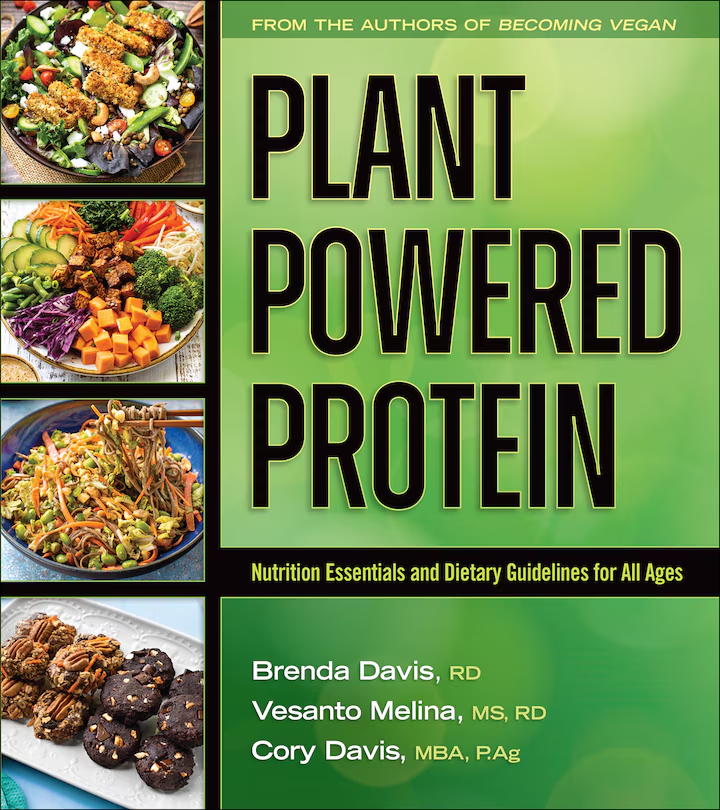
Nutrition Essentials and Dietary Guidelines for All Ages
By: Vesanto Melina, R.D., Brenda Davis, R.D., Cory Davis, MBA
Publication date: March 28th 2023
The #1 question when considering transitioning to a plant-based diet is “Can I get enough protein?”
And the answer is a resounding YES.
Registered dietitians Brenda Davis and Vesanto Melina join agrologist Cory Davis to present the science and studies that validate why protein derived from plants is not only comparable to protein from animal products but is also often superior to it!
Learn how amino acids found in plant protein promote healthy growth and how to meet daily protein requirements for every stage of life. Key advantages to eating plant protein, such as the lighter carbon footprint and protection against chronic diseases due to compounds found only in plants, are also discussed.
Cooking tips and mouth-watering recipes make it easy to include plant-based options as wholesome and abundant sources of protein.
4.5 out of 5 star Customer Reviews on Amazon
3.87 out of 5 star Community Reviews on Good Reads

Book Summary
Plant-Powered Protein is a science-driven yet highly accessible exploration of protein nutrition that challenges deeply ingrained beliefs about the necessity of animal-based protein. Written by registered dietitians Vesanto Melina and Brenda Davis, along with plant-based advocate and athlete Cory Davis, the book reframes protein as a nutrient that is abundant in plant foods and best consumed as part of a whole-food, plant-centered diet. Rather than focusing on protein as a problem nutrient, the authors position it as an opportunity to improve health, athletic performance, environmental sustainability, and ethical alignment through smarter food choices.
Reframing the Protein Conversation
The book opens by addressing modern society’s fixation on protein, particularly animal protein. The authors explain how marketing, diet culture, and fitness trends have exaggerated protein needs and promoted the idea that strength, vitality, and athleticism depend on meat, dairy, and protein supplements. In reality, they argue, most people in industrialized nations consume more protein than required, often at the expense of other important nutrients such as fiber.
Melina, Davis, and Davis emphasize that true protein deficiency is rare when calorie intake is adequate. The real nutritional challenge is not protein quantity, but overall diet quality. This perspective sets the foundation for the book’s central message: plant-based diets can easily meet protein needs while offering significant health and environmental advantages.
Understanding Protein and Amino Acids
A core section of Plant-Powered Protein explains how protein functions in the body. The authors describe amino acids, protein synthesis, and the body’s ability to recycle amino acids efficiently. They clarify that the body does not require “complete proteins” at every meal, dispelling a long-standing myth about plant proteins.
The concept of essential amino acids is explained clearly, along with the idea that eating a variety of plant foods throughout the day naturally provides all amino acids in adequate amounts. The authors emphasize that all plant foods contain protein, and many—such as legumes, grains, nuts, and seeds—are significant contributors.
Recommended protein intakes are discussed in context, with explanations of how needs may vary depending on age, activity level, and physiological status. This scientific grounding reassures readers that protein adequacy is achievable without animal products.
Debunking Protein Myths
One of the book’s strongest contributions is its systematic debunking of protein myths. The authors challenge the belief that plant protein is inferior, poorly absorbed, or inadequate for building muscle. They explain that while digestibility varies among foods, overall protein quality depends on the total diet rather than individual ingredients.
The book also addresses the misconception that athletes and highly active individuals require animal protein to perform well. Drawing on both research and Cory Davis’s athletic experience, the authors show that plant-based athletes can meet protein needs, build muscle, recover effectively, and excel in endurance and strength sports. Training quality, calorie intake, and nutrient timing are shown to be more important than protein source alone.
Health Implications of Protein Sources
Beyond adequacy, Plant-Powered Protein examines how protein sources affect long-term health. The authors compare animal-based protein sources with plant-based ones, highlighting the broader nutritional context in which protein is consumed.
Animal protein sources are often accompanied by saturated fat, cholesterol, and compounds formed during high-temperature cooking, which have been associated with increased risk of heart disease, type 2 diabetes, and certain cancers. In contrast, plant protein sources come packaged with fiber, antioxidants, phytochemicals, and healthy fats that support cardiovascular health, metabolic function, and gut health.
The authors emphasize that protein should not be isolated from the foods that deliver it. A bean-based meal, for example, provides protein alongside fiber, iron, potassium, and protective plant compounds, whereas isolated protein products lack these benefits.
Environmental and Ethical Perspectives
A significant portion of the book places protein choices within a broader global context. The authors explain how animal agriculture is highly resource-intensive, contributing to greenhouse gas emissions, deforestation, water use, and biodiversity loss. Producing plant protein requires far fewer resources, making it a more sustainable option for feeding a growing global population.
Ethical considerations related to animal welfare are addressed thoughtfully and respectfully. Rather than moralizing, the authors invite readers to reflect on how protein choices align with values of compassion, sustainability, and social responsibility.
Plant-Based Protein Sources
The book provides a detailed overview of plant-based protein sources, emphasizing their diversity and accessibility. Legumes—including beans, lentils, peas, and soy foods—are highlighted as nutritional powerhouses due to their high protein content, affordability, and versatility. Whole grains, nuts, seeds, and even vegetables are recognized as meaningful contributors to daily protein intake.
The authors stress that protein is distributed throughout the plant food supply, making it unnecessary to rely on protein isolates or specialty products. While protein powders and fortified foods are discussed, they are presented as optional tools rather than dietary necessities.
Protein Across the Life Cycle
Plant-Powered Protein devotes careful attention to protein needs at different stages of life. For children and adolescents, the focus is on adequate calorie intake and balanced meals to support growth. For pregnancy and breastfeeding, the authors explain how plant-based diets can provide sufficient protein alongside other critical nutrients when well planned.
For older adults, maintaining muscle mass becomes a priority. The book discusses strategies such as resistance training, adequate energy intake, and evenly distributing protein across meals. For athletes, guidance is provided on total protein intake, timing, and recovery, again reinforcing that plant-based diets can fully support performance goals.
Practical Application and Everyday Eating
While not a cookbook, Plant-Powered Protein includes practical tools such as sample menus, protein comparisons, and meal-planning guidance. These examples demonstrate how easily protein needs can be met through everyday meals without counting grams obsessively.
Vitamin B12 is addressed clearly and responsibly, with the authors emphasizing the importance of fortified foods or supplements for those following fully plant-based diets. This reinforces the book’s evidence-based and realistic approach.
Conclusion: A New Way to Think About Protein
In conclusion, Plant-Powered Protein offers a compelling redefinition of protein nutrition. By combining scientific evidence, practical guidance, athletic insight, and environmental awareness, Vesanto Melina, Brenda Davis, and Cory Davis show that plant-based protein is not only sufficient but often superior in supporting long-term health.
The book empowers readers to move beyond protein anxiety and toward confidence in plant-centered eating. Protein is reframed not as something to fear or chase, but as a naturally abundant nutrient found in diverse, whole foods that nourish both people and the planet.