Book Summary
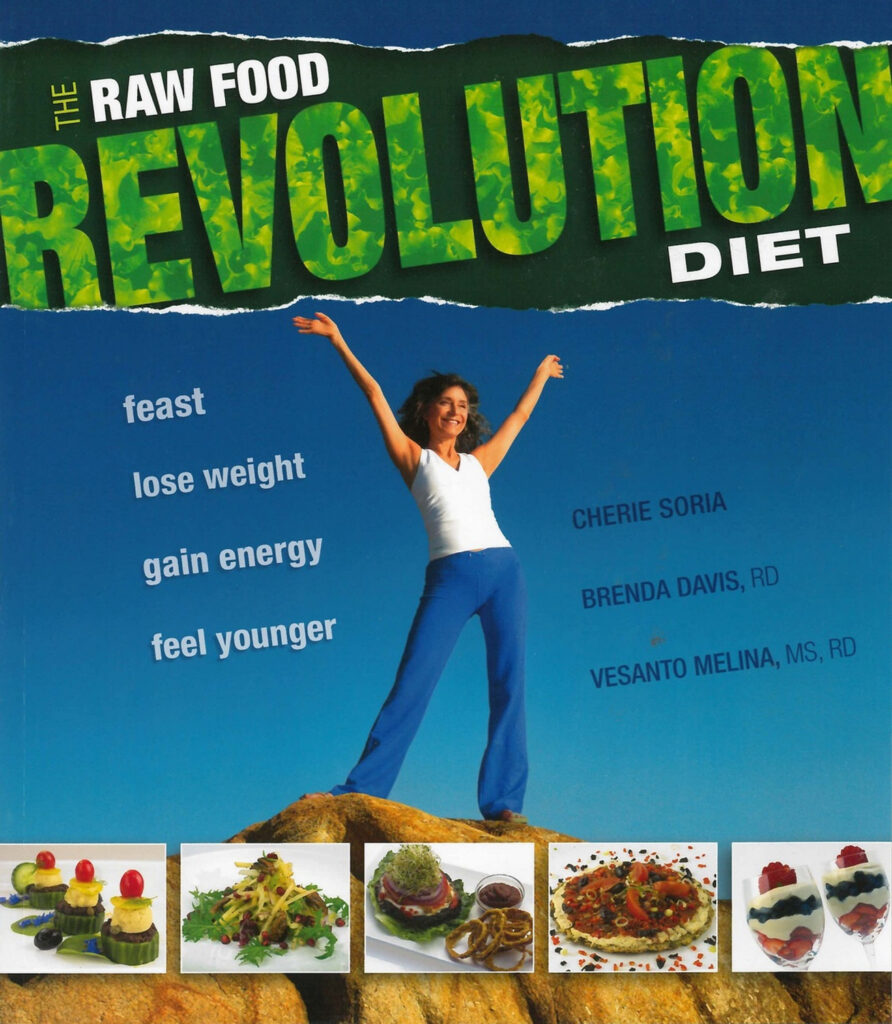
The Raw Food Revolution Diet is a comprehensive guide to adopting a raw or high-raw plant-based diet in a way that prioritizes health, nutritional adequacy, and long-term sustainability. Written by raw food educator Cherie Soria alongside registered dietitians Brenda Davis and Vesanto Melina, the book blends raw food philosophy with evidence-based nutrition. Its central aim is to help readers experience the benefits of raw foods without falling into the nutritional pitfalls that can accompany overly restrictive or poorly planned raw diets.
Defining the Raw Food Revolution
The book begins by defining what is meant by a raw food diet. Generally, raw diets emphasize uncooked or minimally heated plant foods, usually kept below approximately 118°F (48°C), in order to preserve enzymes, vitamins, and phytonutrients. Foods commonly included are fresh fruits and vegetables, leafy greens, nuts, seeds, sprouted grains and legumes, cold-pressed oils, and fermented foods. Animal products and refined, highly processed foods are excluded.
Importantly, the authors emphasize that raw food eating exists on a continuum. The “raw food revolution” promoted in the book is not about rigid perfection or 100 percent raw eating for everyone. Instead, it encourages a flexible, individualized approach in which raw foods form the foundation of the diet, while acknowledging that some people may benefit from including cooked plant foods.
Philosophy and Motivations
The book explores why many people are drawn to raw food diets. Common motivations include improved health, increased energy, ethical concerns about animal welfare, environmental sustainability, and a desire for a more natural way of eating. Cherie Soria brings a passionate raw food perspective, highlighting the vitality, freshness, and sensory appeal of raw foods, while Davis and Melina ground these ideas in nutritional science.
Rather than presenting raw food eating as a cure-all, the authors adopt a balanced tone. They recognize anecdotal reports of benefits such as improved digestion, clearer skin, weight loss, and enhanced well-being, while carefully distinguishing these experiences from scientifically proven outcomes. This collaborative approach helps bridge the gap between raw food enthusiasm and responsible nutrition.
Health Benefits of Raw Foods
A major theme of The Raw Food Revolution Diet is the health potential of diets rich in raw plant foods. The authors explain that raw fruits and vegetables are naturally high in fiber, antioxidants, vitamins, minerals, and phytochemicals that support overall health. These nutrients are associated with reduced risk of chronic diseases such as heart disease, hypertension, and certain cancers.
Raw diets are typically low in saturated fat and cholesterol and tend to be lower in calorie density, which may contribute to weight management. The book also discusses how raw foods can promote hydration and digestive health due to their high water and fiber content.
However, the authors are careful to point out that the benefits of raw diets largely stem from increased intake of whole plant foods, not simply from avoiding cooking. Cooking, they explain, can sometimes enhance nutrient availability, making balance and variety more important than strict adherence to raw rules.
Nutritional Challenges and Key Nutrients
One of the defining strengths of the book is its honest discussion of nutritional challenges associated with raw diets. Davis and Melina play a critical role in identifying nutrients that require careful attention.
- Energy intake is a common concern, as raw foods are often low in calorie density. The authors emphasize the importance of consuming adequate portions and including calorie-dense foods such as nuts, seeds, avocados, and sprouted grains.
- Protein is addressed in detail, with guidance on meeting needs through foods like nuts, seeds, sprouted legumes, leafy greens, and vegetables. The authors stress that sufficient calorie intake is essential for adequate protein intake.
- Vitamin B12 receives strong emphasis. The book clearly states that raw diets do not reliably provide vitamin B12 and that supplementation or fortified foods are necessary. This evidence-based stance directly counters misinformation sometimes found in raw food communities.
Other nutrients discussed include iron, calcium, zinc, iodine, vitamin D, and omega-3 fatty acids. The authors explain absorption issues and offer strategies to enhance bioavailability, such as soaking, sprouting, fermenting, and pairing foods appropriately.
Food Preparation Techniques
A substantial portion of the book is devoted to raw food preparation techniques. Readers are introduced to methods such as blending, juicing, soaking, sprouting, fermenting, and dehydrating. These techniques help increase variety, improve digestibility, and enhance nutrient absorption.
While specialized kitchen tools like high-speed blenders and dehydrators are discussed, the authors emphasize that raw food eating does not require expensive equipment. Simplicity and accessibility are encouraged, making the lifestyle more approachable for beginners.
Meal Planning and Practical Guidance
The Raw Food Revolution Diet provides practical tools to help readers implement raw eating in everyday life. Sample menus, meal plans, and food group guidelines illustrate how to structure balanced raw meals throughout the day. The authors emphasize variety, color, and texture to ensure both nutritional adequacy and enjoyment.
Transition strategies are also addressed. Rather than recommending an abrupt shift to a fully raw diet, the book encourages gradual change, allowing the body time to adapt and reducing the risk of digestive discomfort or nutrient shortfalls.
Social and lifestyle challenges are acknowledged as well. Eating raw foods can be difficult in social settings, restaurants, and colder climates. The authors encourage flexibility, creativity, and self-compassion rather than rigid adherence.
Raw Diets Across the Life Cycle
The book carefully evaluates the suitability of raw diets for different populations. While adults may thrive on well-planned raw or high-raw diets, the authors urge caution for children, adolescents, pregnant individuals, and older adults, who have higher energy and nutrient needs. In these cases, professional guidance and the inclusion of some cooked foods may be advisable.
This nuanced, individualized approach distinguishes the book from more extreme raw food texts and reinforces its commitment to long-term health.
Conclusion: A Balanced Vision of Raw Eating
In conclusion, The Raw Food Revolution Diet offers a thoughtful and responsible introduction to raw food eating. By combining Cherie Soria’s enthusiasm for raw cuisine with the scientific expertise of Brenda Davis and Vesanto Melina, the book presents raw food diets as a powerful tool for health when approached with knowledge, planning, and flexibility.
Rather than promoting rigid rules, the book emphasizes nourishment, balance, and sustainability. It empowers readers to enjoy the freshness and vitality of raw foods while making informed choices that support nutritional adequacy and overall well-being.