Book Summary
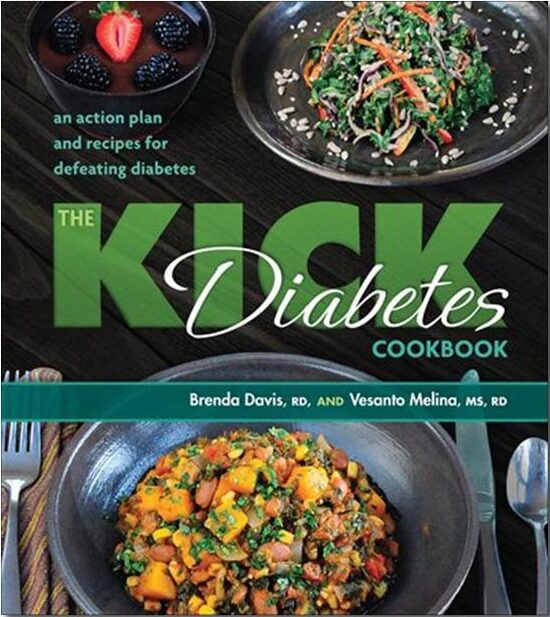
The Kick Diabetes Cookbook is a practical, science-based guide designed to help individuals prevent, manage, and even reverse type 2 diabetes through nutritious, plant-based eating. Written by registered dietitians Vesanto Melina and Brenda Davis, the book combines current nutritional research with accessible recipes and meal-planning strategies. Its central message is that food choices—particularly those centered on whole plant foods—play a powerful role in blood sugar control, insulin sensitivity, and overall metabolic health.
Purpose and Audience
The book is written for a broad audience that includes people living with type 2 diabetes, those with prediabetes, individuals at risk due to family history or lifestyle factors, and anyone interested in improving blood sugar control through diet. While the focus is on diabetes, the authors emphasize that the approach benefits overall health, including cardiovascular well-being and weight management.
Rather than presenting diabetes management as a process of deprivation or rigid control, The Kick Diabetes Cookbook promotes abundance, variety, and enjoyment. The authors aim to empower readers with knowledge and practical tools, helping them feel confident rather than overwhelmed.
Understanding Diabetes and Diet
Early chapters explain what diabetes is and how it develops, particularly type 2 diabetes. The authors describe insulin resistance, impaired glucose regulation, and the role of excess body fat—especially visceral fat—in disrupting normal metabolic function. They emphasize that type 2 diabetes is largely a lifestyle-related condition and that dietary patterns can significantly influence disease progression.
The book challenges the common assumption that managing diabetes requires high-protein, low-carbohydrate diets. Instead, Melina and Davis present evidence that diets rich in whole, unrefined carbohydrates—such as fruits, vegetables, legumes, and whole grains—can improve insulin sensitivity and stabilize blood sugar levels when combined with adequate fiber and minimal saturated fat.
Nutritional Philosophy
At the heart of The Kick Diabetes Cookbook is a low-fat, high-fiber, plant-based nutritional approach. The authors explain that excess dietary fat, particularly saturated fat, interferes with insulin’s ability to move glucose into cells. By reducing fat intake and emphasizing whole plant foods, insulin sensitivity can improve, allowing blood sugar to be managed more effectively.
Fiber plays a central role in the book’s philosophy. High-fiber foods slow digestion and glucose absorption, preventing sharp blood sugar spikes after meals. Fiber also promotes satiety, supports gut health, and aids in weight management—an important factor in diabetes control.
Protein is addressed thoughtfully, with reassurance that plant-based diets provide adequate protein through legumes, whole grains, vegetables, nuts, and seeds. The authors discourage excessive protein intake, particularly from animal sources, due to its association with insulin resistance and kidney stress in some individuals with diabetes.
The Role of Weight and Lifestyle
While the book does not frame weight loss as the sole goal, it acknowledges that modest, sustained weight reduction can significantly improve blood sugar control in people with type 2 diabetes. The authors emphasize gradual, sustainable changes rather than rapid or restrictive dieting.
Physical activity is also discussed as a complementary strategy. Regular movement improves insulin sensitivity and cardiovascular health, enhancing the effects of dietary changes. However, the primary focus remains on nutrition, making the book especially useful for readers seeking clear dietary guidance.
Recipe Design and Structure
As a cookbook, The Kick Diabetes Cookbook translates nutritional principles into everyday meals. Recipes are designed to be low in fat, rich in fiber, and balanced in carbohydrates, making them suitable for blood sugar management. The authors emphasize whole, minimally processed ingredients and avoid added oils or keep them to a minimum.
The book is organized into familiar meal categories, such as breakfasts, soups, salads, main dishes, side dishes, and desserts. This structure makes it easy for readers to plan meals and build daily menus that support stable blood sugar levels.
Each recipe is designed to be flavorful and satisfying, countering the misconception that diabetes-friendly meals must be bland or restrictive. Herbs, spices, and natural flavors play a central role in enhancing taste without relying on excess fat or sugar.
Carbohydrates Without Fear
One of the most distinctive aspects of The Kick Diabetes Cookbook is its positive approach to carbohydrates. Rather than advising readers to avoid carbs, the authors help them distinguish between refined carbohydrates and whole-food sources.
Refined sugars and white flours are minimized, while whole grains, legumes, fruits, and vegetables are encouraged. The authors explain how these foods, when eaten in appropriate portions and combined with fiber-rich ingredients, can support steady blood sugar rather than destabilize it.
This approach challenges conventional diabetes advice and provides reassurance to readers who may feel confused by conflicting dietary messages.
Practical Tools and Meal Planning
Beyond recipes, the book offers practical tools to support long-term success. Meal-planning tips, shopping guidance, and strategies for dining out help readers apply the principles in real-world settings. The authors also discuss how to transition gradually to a plant-based diet, making the change more manageable and sustainable.
Portion awareness and mindful eating are emphasized, helping readers tune into hunger and fullness cues rather than relying solely on strict meal plans or calorie counting.
Addressing Medications and Monitoring
While the book is not a substitute for medical care, the authors acknowledge that dietary changes may affect blood sugar levels and medication needs. Readers are encouraged to work with healthcare professionals when making significant changes, particularly if they use insulin or glucose-lowering medications.
This responsible stance reinforces the book’s credibility and patient-centered approach.
Conclusion: Food as a Powerful Tool for Diabetes Management
In conclusion, The Kick Diabetes Cookbook presents a hopeful, evidence-based approach to diabetes prevention and management. Vesanto Melina and Brenda Davis demonstrate that a well-planned, low-fat, high-fiber, plant-based diet can significantly improve blood sugar control, reduce insulin resistance, and support overall health.
By combining clear nutritional explanations with practical, enjoyable recipes, the book empowers readers to take an active role in managing diabetes through everyday food choices. Rather than focusing on restriction or fear, The Kick Diabetes Cookbook reframes eating as a powerful, positive tool for reclaiming metabolic health and long-term well-being.