Book Summary
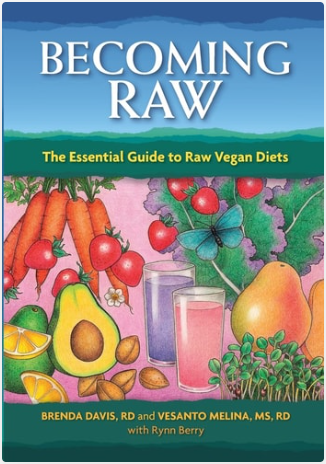
Becoming Raw is a detailed, evidence-based guide to understanding and adopting a raw vegan diet in a healthy and sustainable way. Written by registered dietitians Vesanto Melina and Brenda Davis, along with nutrition researcher Rynn Berry, the book aims to clarify what raw food diets are, why people choose them, and how they can be followed safely. Rather than promoting raw veganism as a cure-all or ideological lifestyle, the authors approach the subject with scientific rigor, balance, and practical realism.
Defining Raw Veganism
The book begins by defining raw vegan diets and distinguishing them from other plant-based eating patterns. Raw vegan diets generally emphasize uncooked or minimally heated plant foods, typically kept below about 118°F (48°C), to preserve enzymes and nutrients. Foods commonly eaten include fruits, vegetables, leafy greens, nuts, seeds, sprouted grains and legumes, cold-pressed oils, and fermented foods. Animal products and highly processed foods are excluded.
The authors stress that raw veganism exists on a spectrum. Some individuals eat 100% raw foods, while others follow high-raw or partially raw diets. This flexibility is presented as realistic and often healthier than strict adherence. The book encourages readers to focus on nutritional adequacy rather than rigid rules.
Motivations and Philosophy
Becoming Raw explores the reasons people are drawn to raw vegan diets. These include perceived health benefits, ethical concerns about animal welfare, environmental sustainability, and spiritual or philosophical beliefs about natural living. While the authors acknowledge claims commonly made within the raw food movement—such as improved digestion, increased energy, and disease prevention—they carefully separate anecdotal experiences from scientific evidence.
Rather than dismissing raw food philosophies outright, the authors examine them critically, validating what is supported by research and questioning unsupported or exaggerated claims. This measured approach helps readers make informed decisions rather than following trends or ideology.
Health Benefits and Scientific Evidence
A central theme of the book is evaluating the potential health effects of raw vegan diets. The authors explain that raw diets are typically rich in fruits and vegetables, making them high in fiber, antioxidants, vitamins, and phytochemicals. These qualities are associated with reduced risk of chronic diseases such as heart disease and certain cancers.
Raw vegan diets are also naturally low in saturated fat and cholesterol and tend to be lower in calorie density, which may contribute to weight loss for some individuals. However, the authors caution that weight loss is not always desirable and that insufficient calorie intake is a common risk, particularly for children, athletes, and those with higher energy needs.
Importantly, the book does not present raw vegan diets as inherently superior to cooked plant-based diets. Instead, it emphasizes that many health benefits come from eating a wide variety of whole plant foods—whether raw or cooked—and that cooking can actually improve the bioavailability of certain nutrients.
Nutritional Challenges and Key Nutrients
The core of Becoming Raw focuses on nutrition, identifying both the strengths and risks of raw vegan diets. The authors provide detailed guidance on meeting nutrient needs and emphasize careful planning.
- Protein is discussed as achievable through nuts, seeds, sprouted legumes, leafy greens, and certain vegetables, but the authors note that protein intake may be marginal if calorie intake is too low. They emphasize the importance of eating enough food overall.
- Vitamin B12 receives strong attention. The authors clearly state that raw vegan diets do not reliably provide adequate B12 and that supplementation or fortified foods are essential. This point is presented firmly, countering misinformation within some raw food communities.
Other nutrients of concern include iron, calcium, zinc, iodine, vitamin D, omega-3 fatty acids, and energy intake. The book explains absorption issues, food sources, and strategies to enhance nutrient availability, such as soaking, sprouting, and fermenting foods. These traditional food preparation techniques are highlighted as especially important in raw diets to improve digestibility and mineral absorption.
The authors also address the misconception that cooking destroys all nutrients, explaining that while some vitamins are heat-sensitive, others become more available with cooking. This reinforces their balanced perspective.
Raw Diets Across the Life Cycle
One of the most important contributions of Becoming Raw is its life-cycle analysis. The authors carefully evaluate whether raw vegan diets are appropriate for different populations.
For adults, raw diets can be healthful when well planned, though attention to calories and supplements is essential. For athletes, meeting energy and protein needs may be challenging without including some cooked foods.
The book expresses particular caution regarding infants, children, pregnant individuals, and older adults. While it does not categorically prohibit raw diets for these groups, it emphasizes that fully raw diets carry higher risks and require professional guidance. In many cases, the authors suggest including cooked plant foods to ensure adequate growth, energy, and nutrient intake.
This nuanced approach sets Becoming Raw apart from more extreme or promotional raw food books.
Practical Guidance and Food Preparation
Beyond theory, Becoming Raw offers extensive practical advice. Readers are introduced to raw food preparation methods such as blending, dehydrating, sprouting, soaking, and fermenting. The book discusses kitchen tools commonly used in raw food preparation, including high-speed blenders and dehydrators, while emphasizing that expensive equipment is not strictly necessary.
Sample menus, meal-planning strategies, and food group guidelines help readers design balanced raw meals. The authors also discuss transitioning gradually to a raw or high-raw diet, allowing the body time to adapt and reducing the likelihood of digestive discomfort or nutrient shortfalls.
Social and lifestyle challenges are addressed as well. Eating raw foods can be difficult in social settings, restaurants, and colder climates, and the authors encourage flexibility rather than perfection.
Conclusion: A Balanced and Responsible Guide
In conclusion, Becoming Raw presents raw veganism as a dietary option that can offer health benefits but also carries real nutritional challenges. The book stands out for its scientific credibility, cautious tone, and commitment to nutritional adequacy. Rather than idealizing raw diets, Melina and her co-authors empower readers to make informed choices, emphasizing planning, supplementation when needed, and flexibility.
Ultimately, Becoming Raw serves as a trustworthy resource for anyone curious about raw vegan diets, offering both encouragement and critical guidance. It reinforces the idea that health comes not from strict rules, but from well-informed, balanced, and sustainable eating patterns.